
Unlocking the Power of Breath: Breathing Exercises for Natural Pain Relief
Imagine a tool, always with you, completely free, and capable of easing pain. Sounds too good to be true? It's not. It's your breath. For centuries, meditative traditions have understood the profound connection between breath and well-being. Now, modern science is catching up, revealing how specific breathing exercises can be a powerful, natural method for pain relief. Whether you're struggling with chronic pain, recovering from an injury, or simply seeking a drug-free way to manage discomfort, mastering these techniques can offer a transformative path to healing.
The Science Behind Breath and Pain
Pain isn't just a physical sensation; it's a complex interplay of physical, emotional, and psychological factors. When you're in pain, your body activates the fight or flight response. Your heart rate increases, muscles tense, and breathing becomes shallow and rapid. This heightened state of arousal can actually amplify the pain experience.
Breathing exercises interrupt this cycle. Deep, controlled breathing activates the parasympathetic nervous system, often called the rest and digest system. This activation helps to:
- Reduce muscle tension: Deep breathing encourages muscles to relax, alleviating pain caused by tightness and spasms.
- Lower heart rate and blood pressure: By calming the cardiovascular system, breathing exercises reduce the body's overall stress response.
- Release endorphins: These natural pain relievers can help to block pain signals and improve mood.
- Improve oxygenation: Deep breathing ensures that your tissues receive adequate oxygen, which is essential for healing. Consider how hyperbaric oxygen therapy can sometimes speed healing, as discussed at this link.
- Shift focus away from pain: Concentrating on your breath can help to distract you from the sensation of pain, reducing its perceived intensity.
Types of Breathing Exercises for Pain Relief
There's a breathwork technique for every need. Here are some of the most effective breathing exercises for pain management:
Diaphragmatic Breathing (Belly Breathing)
This is the foundation of many relaxation techniques. Diaphragmatic breathing involves using your diaphragm, the large muscle at the base of your lungs, to draw air deeply into your abdomen.
How to do it:
- Lie on your back with your knees bent. You can place a pillow under your head and knees for comfort.
- Place one hand on your chest and the other on your abdomen.
- Inhale slowly through your nose, allowing your abdomen to rise as you fill your lungs with air. Your chest should remain relatively still.
- Exhale slowly through your mouth, allowing your abdomen to fall.
- Repeat for 5-10 minutes, focusing on the rise and fall of your abdomen.
Box Breathing
Box breathing, also known as square breathing, is a simple technique that can quickly calm your nervous system.
How to do it:
- Inhale slowly through your nose for a count of four.
- Hold your breath for a count of four.
- Exhale slowly through your mouth for a count of four.
- Hold your breath again for a count of four.
- Repeat for 5-10 minutes.
Progressive Relaxation Breathing
This technique is useful to release physical tension which may cause or amplify the sensation of pain.
How to do it:
- Lie down in a comfortable position.
- Breathe in deeply, and as you do, tense a specific muscle group (such as your hands). Hold the tension for a few seconds.
- Exhale slowly and completely relax the muscle group.
- Continue this process with different muscle groups: feet, legs, abdomen, chest, arms, shoulders, face.
- Focus on the contrast between the tension and relaxation in each muscle group.
- Repeat for 10-20 minutes.
Alternate Nostril Breathing (Nadi Shodhana Pranayama)
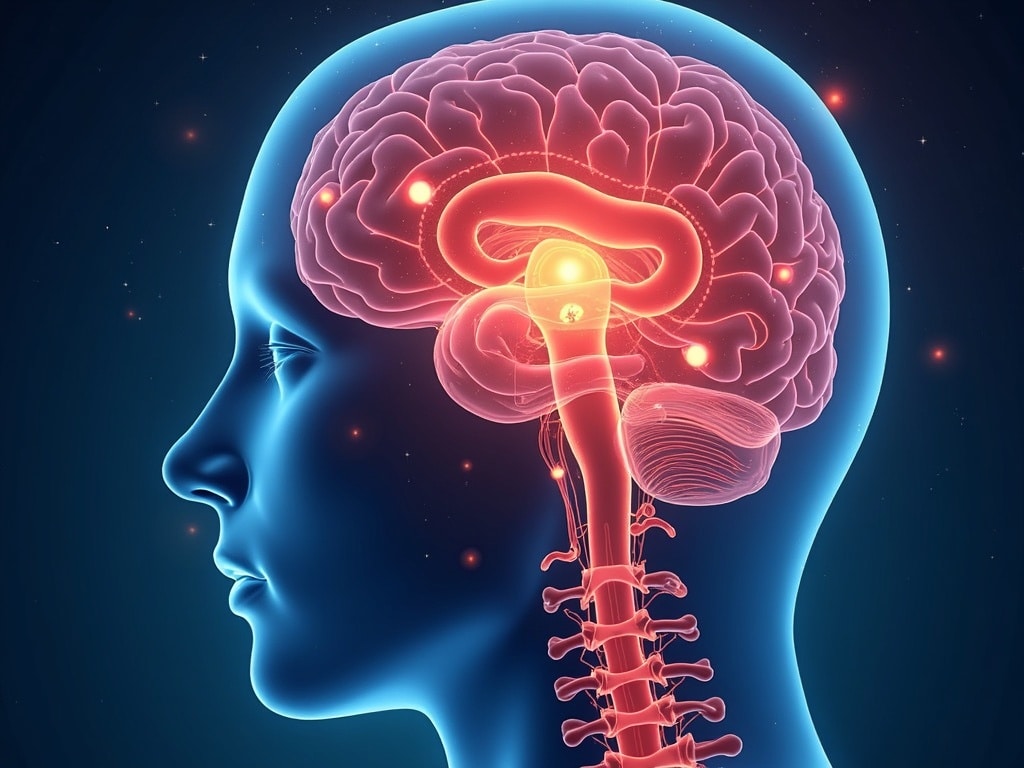
This yoga breathing technique is believed to balance the left and right hemispheres of the brain, promoting a sense of calm and well-being.
How to do it:
- Sit comfortably with your spine straight.
- Close your right nostril with your right thumb.
- Inhale slowly and deeply through your left nostril.
- Release your right nostril and close your left nostril with your right ring finger.
- Exhale slowly through your right nostril.
- Inhale through your right nostril.
- Release your left nostril and close your right nostril with your right thumb.
- Exhale through your left nostril.
- Continue alternating nostrils for 5-10 minutes.
4-7-8 Breathing
This technique is designed to reduce anxiety and promote relaxation, which can indirectly alleviate pain.
How to do it:
- Exhale completely through your mouth, making a whooshing sound.
- Close your mouth and inhale quietly through your nose for a count of four.
- Hold your breath for a count of seven.
- Exhale completely through your mouth, making a whooshing sound, for a count of eight.
- Repeat for 4 cycles.
Integrating Breathing Exercises Into Your Pain Management Routine
Breathing exercises are most effective when practiced regularly. Here's how to incorporate them into your daily life:
- Start small: Begin with just 5-10 minutes of practice each day and gradually increase the duration as you become more comfortable.
- Find a quiet space: Choose a quiet and comfortable environment where you can relax without distractions.
- Practice regularly: Consistency is key. Aim to practice your chosen breathing exercises at least once or twice a day.
- Use them proactively: Don't wait until you're in severe pain to start breathing exercises. Practice them regularly to build resilience and prevent pain from escalating.
- Combine with other therapies: Breathing exercises can be used in conjunction with other pain management strategies, such as medication, physical therapy, and massage.
- Listen to your body: If you experience any discomfort or dizziness during a breathing exercise, stop and rest.
Tips for Success
Here are a few additional tips to help you get the most out of your breathing exercises:
- Focus on your breath: Pay attention to the sensation of the air entering and leaving your body. This will help you to stay present and prevent your mind from wandering.
- Visualize: Imagine the pain melting away as you breathe deeply. This can enhance the relaxation response and reduce the perceived intensity of pain.
- Be patient: It may take time to experience the full benefits of breathing exercises. Don't get discouraged if you don't see results immediately.
- Consider guided meditations: Guided meditations can help to deepen your relaxation and focus your attention on your breath. There are many free resources available online.
- Consult with a healthcare professional: If you have any underlying medical conditions, it's always a good idea to talk to your doctor or a qualified healthcare professional before starting any new exercise program, including breathing exercises.
Beyond Pain Relief: The Holistic Benefits of Breathwork
While breathing exercises are a powerful tool for pain relief, their benefits extend far beyond physical comfort. Regular breathwork practice can also lead to:
- Reduced stress and anxiety: By calming the nervous system, breathing exercises can help to manage stress and anxiety levels.
- Improved sleep quality: Deep breathing promotes relaxation and can help you fall asleep more easily and sleep more soundly.
- Increased energy levels: By improving oxygenation and reducing stress, breathing exercises can boost your energy levels and reduce fatigue.
- Enhanced emotional well-being: Breathwork can help you to connect with your emotions and develop greater self-awareness.
- Improved cognitive function: By increasing oxygen flow to the brain, breathing exercises can enhance focus, concentration, and memory.
The Takeaway: Your Breath, Your Power
Breathing exercises offer a simple, accessible, and powerful way to manage pain and improve overall well-being. By learning and practicing these techniques, you can unlock your body's natural healing abilities and take control of your pain experience. So, take a deep breath, and begin your journey to a more comfortable and fulfilling life. The power to heal is in your lungs – use it!