
Letting Go of Pain Meditation: Finding Peace Within
Imagine a persistent ache, a throbbing tension, or the sharp stab of discomfort. Pain, in its many forms, can dominate our lives, casting a shadow over our thoughts and actions. But what if you could learn to navigate this pain, not by fighting it, but by gently letting it go? Letting go of pain meditation offers a powerful pathway to find peace and regain control, transforming your relationship with discomfort.
Understanding Pain and Its Grip on Us
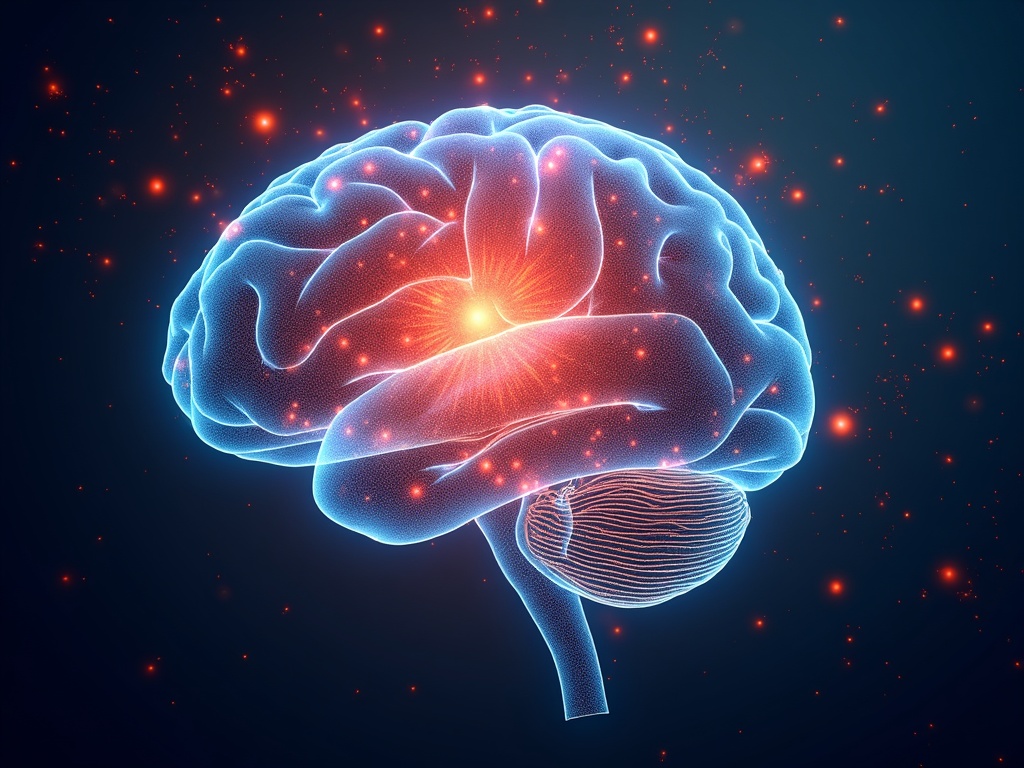
Pain is a complex experience, a symphony of signals traveling between the body and the brain. It’s a vital warning system, alerting us to potential harm. However, pain can also become chronic, lingering long after the initial injury has healed. This persistent pain can be debilitating, impacting our physical and mental well-being.
The experience of pain is both physical and emotional. Our thoughts, feelings, and beliefs can significantly influence how we perceive and cope with pain. Fear, anxiety, and stress can amplify pain signals, creating a vicious cycle of suffering. Conversely, relaxation, mindfulness, and acceptance can help to diminish the intensity of pain.
The Role of the Mind in Pain Perception
Our minds play a crucial role in shaping our experience of pain. When we focus intensely on pain, we can inadvertently amplify it. This is because the brain prioritizes the pain signal, making it seem more intense and overwhelming. Furthermore, negative thoughts and emotions, such as fear and frustration, can tighten muscles and increase tension, exacerbating the physical discomfort.
However, we can learn to shift our attention away from the pain, creating space for other sensations and experiences. This doesn't mean ignoring the pain altogether, but rather observing it with a sense of detachment and curiosity. By changing our relationship with pain, we can reduce its power over us.
The Power of Meditation for Pain Relief
Meditation offers a powerful tool for managing pain. By training our minds to focus and observe, we can develop greater awareness of our thoughts, feelings, and bodily sensations. This increased awareness allows us to respond to pain with more skill and compassion, rather than reacting with fear and resistance.
Letting go of pain meditation techniques are specifically designed to help us release the emotional and mental tension associated with pain. These techniques often involve focusing on the breath, observing the sensations of pain without judgment, and cultivating a sense of acceptance and self-compassion.
How Meditation Works to Reduce Pain
Meditation can reduce pain through several mechanisms:
- Reduces Stress: Meditation activates the parasympathetic nervous system, which is responsible for the rest and digest response. This helps to reduce stress hormones, such as cortisol, which can amplify pain signals.
- Increases Awareness: Meditation helps us become more aware of our thoughts and feelings, allowing us to identify and challenge negative thought patterns that contribute to pain.
- Changes Brain Structure: Studies have shown that regular meditation can alter the structure of the brain, increasing gray matter in areas associated with pain regulation and emotional control.
- Promotes Relaxation: Meditation promotes relaxation, which can help to reduce muscle tension and improve blood flow, easing physical discomfort.
- Cultivates Acceptance: Meditation helps us to accept pain as a part of life, reducing our resistance and struggle against it. This acceptance can paradoxically lead to a decrease in the intensity of pain.
Types of Letting Go of Pain Meditation Techniques
There are several different types of letting go of pain meditation techniques. Find one that resonates with you and practice it regularly to experience its benefits.
- Mindfulness Meditation: This technique involves paying attention to the present moment without judgment. You can focus on your breath, bodily sensations, or sounds. When pain arises, gently acknowledge it and observe it without getting carried away by your thoughts or emotions.
- Body Scan Meditation: This technique involves systematically scanning your body, paying attention to the sensations in each area. When you encounter pain, simply notice it and breathe into it, allowing it to be there without resistance.
- Loving-Kindness Meditation: This technique involves cultivating feelings of love and compassion for yourself and others. This can be particularly helpful for chronic pain sufferers who may be experiencing feelings of self-blame or isolation.
- Visualization Meditation: This technique involves using your imagination to create a calming and pleasant mental image. You can visualize a peaceful scene, such as a beach or a forest, or imagine the pain dissolving or transforming into something positive.
A Step-by-Step Guide to Letting Go of Pain Meditation
Here's a simple step-by-step guide to help you get started with letting go of pain meditation:
- Find a Quiet Space: Choose a quiet and comfortable place where you can sit or lie down without being disturbed.
- Get Comfortable: Sit in a comfortable posture with your back straight, or lie down on your back with your arms at your sides.
- Focus on Your Breath: Close your eyes gently and bring your attention to your breath. Notice the sensation of the air entering and leaving your body.
- Acknowledge the Pain: If you experience pain, acknowledge it without judgment. Simply notice the location, intensity, and quality of the pain.
- Observe the Pain: Observe the pain as if you were a detached observer. Notice how it changes over time. Does it fluctuate in intensity? Does it move around your body?
- Release Resistance: Gently release any resistance you may have to the pain. Allow it to be there without trying to push it away.
- Cultivate Acceptance: Cultivate a sense of acceptance towards the pain. Recognize that it is a part of your experience, but it does not define you.
- Return to Your Breath: If your mind wanders, gently redirect your attention back to your breath.
- Practice Regularly: Practice this meditation for 10-15 minutes each day. With regular practice, you will develop greater skill in managing your pain.
Sample Guided Meditation Script for Pain Relief
Here's a short guided meditation script you can use as a starting point:
Find a comfortable position, either sitting or lying down. Close your eyes gently and take a few deep breaths. Notice the rise and fall of your chest or abdomen as you breathe. With each exhale, let go of any tension you may be holding in your body. Now, bring your attention to the area of your body where you are experiencing pain. Notice the sensations without judgment. Is it sharp, dull, throbbing, or aching? Simply observe the pain as if you were a detached observer. You don't need to change anything, just notice. As you breathe, imagine that your breath is flowing into the area of pain, bringing with it a sense of warmth and healing. With each exhale, imagine that you are releasing any tension or resistance you may have to the pain. Allow the pain to be there without trying to push it away. Cultivate a sense of acceptance towards the pain. Recognize that it is a part of your experience, but it does not define you. You are more than your pain. You are strong, resilient, and capable of healing. Now, gently bring your attention back to your breath. Take a few deep breaths and when you are ready, open your eyes. Carry this sense of peace and acceptance with you throughout your day.
Tips for Effective Letting Go of Pain Meditation
Here are some tips to help you make the most of your letting go of pain meditation practice:
- Be Patient: It takes time and practice to develop the ability to manage pain with meditation. Don't get discouraged if you don't see results immediately.
- Be Consistent: Regular practice is key to experiencing the benefits of meditation. Aim to meditate for at least 10-15 minutes each day.
- Be Kind to Yourself: Don't judge yourself if your mind wanders or if you experience difficulty focusing. Simply gently redirect your attention back to your breath or the sensations of pain.
- Experiment: Try different types of meditation techniques to find one that works best for you.
- Seek Guidance: If you are struggling with chronic pain, consider seeking guidance from a qualified meditation teacher or pain management specialist.
Scientific Evidence Supporting Meditation for Pain Management
Numerous studies have demonstrated the effectiveness of meditation for pain management. Research has shown that meditation can reduce pain intensity, improve functional capacity, and enhance quality of life in individuals with chronic pain conditions such as back pain, fibromyalgia, and arthritis.
A meta-analysis of studies published in the Journal of the American Medical Association (JAMA) Internal Medicine found that mindfulness meditation was associated with significant reductions in pain severity compared to usual care. [External Link: https://jamanetwork.com/journals/jamainternalmedicine/fullarticle/2109971] The researchers concluded that mindfulness meditation may be a useful tool for managing chronic pain.
Integrating Meditation into Your Daily Life
Meditation doesn't have to be a formal practice confined to a specific time and place. You can integrate mindfulness into your daily life by paying attention to the present moment in everything you do. For example, you can practice mindful eating, mindful walking, or mindful dishwashing.
By bringing awareness to your everyday experiences, you can cultivate a greater sense of presence and reduce the impact of pain on your life. Even a few moments of mindfulness throughout the day can make a significant difference.
Beyond Meditation: Other Complementary Therapies for Pain Management
While meditation can be a powerful tool for pain management, it's often most effective when combined with other complementary therapies, such as:
- Yoga: Yoga combines physical postures, breathing techniques, and meditation to promote relaxation and reduce pain.
- Acupuncture: Acupuncture involves inserting thin needles into specific points on the body to stimulate energy flow and relieve pain.
- Massage Therapy: Massage therapy can help to reduce muscle tension, improve blood flow, and ease pain.
- Cognitive Behavioral Therapy (CBT): CBT is a type of therapy that helps individuals identify and change negative thought patterns and behaviors that contribute to pain.
Conclusion: Embracing Peace in the Face of Pain
Letting go of pain meditation is not about eliminating pain altogether. It's about changing our relationship with pain, learning to navigate it with more skill and compassion, and finding peace within ourselves, even in the midst of discomfort. By cultivating mindfulness, acceptance, and self-compassion, we can reclaim control over our lives and live more fully, despite the presence of pain. The journey to pain relief is a personal one; embrace it with patience, kindness, and an open heart.