
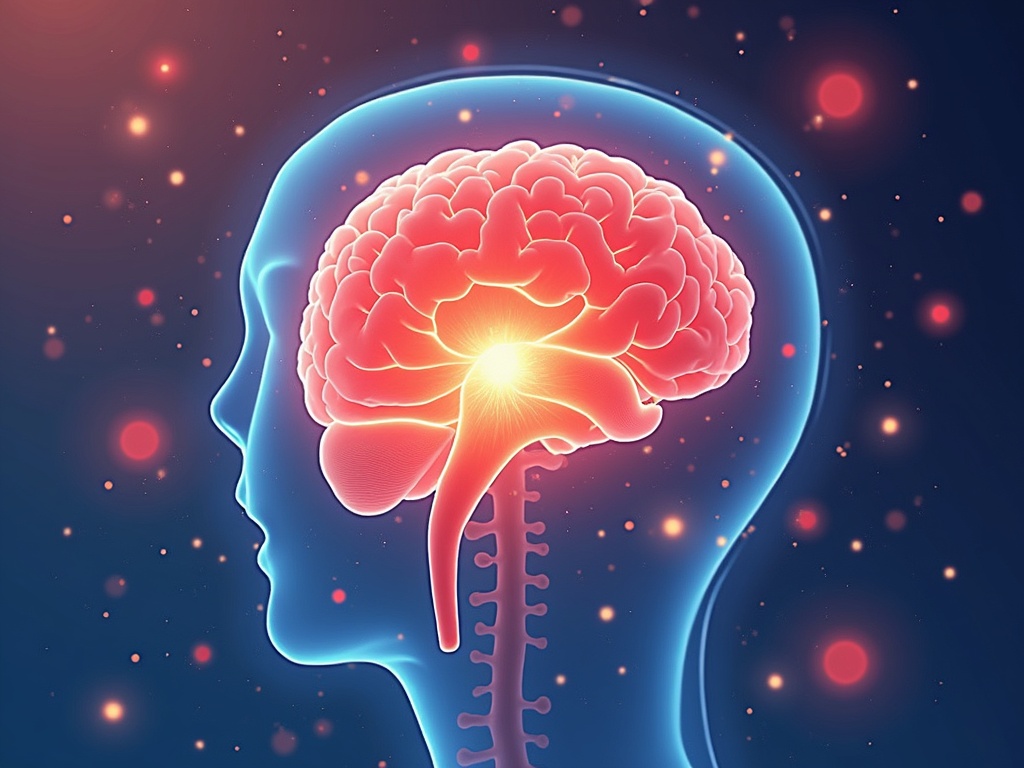
How to Reduce Pain Sensitivity: A Comprehensive Guide
Imagine a world where minor bumps and scrapes don't send you reeling, where everyday aches and pains are mere whispers instead of agonizing screams. While eliminating pain entirely isn't realistic or even desirable (pain serves as a crucial warning system), learning how to reduce pain sensitivity can dramatically improve your quality of life. This comprehensive guide explores various techniques and strategies to help you manage and lower your pain threshold, empowering you to live a more comfortable and fulfilling life.
Understanding Pain Sensitivity
Pain sensitivity, or nociception, is a complex process involving a network of nerves and the brain. It varies significantly from person to person based on genetics, past experiences, psychological factors, and overall health. What might be a minor discomfort for one individual could be excruciating for another. Understanding the factors that contribute to your own pain sensitivity is the first step towards managing it.
Factors Influencing Pain Sensitivity
**Genetics:Some individuals are genetically predisposed to experience pain more intensely.
**Past Experiences:Previous exposure to pain can sensitize the nervous system, making you more reactive to future pain.
**Psychological Factors:Stress, anxiety, depression, and fear can amplify pain perception.
**Overall Health:Conditions like inflammation, nerve damage, and autoimmune disorders can increase pain sensitivity.
**Sleep Deprivation:Lack of sleep lowers your pain threshold.
**Diet:Certain dietary deficiencies can contribute to increased pain.
Lifestyle Adjustments to Reduce Pain Sensitivity
Making strategic changes to your daily habits can significantly impact your pain perception. These adjustments focus on promoting overall well-being, reducing inflammation, and calming the nervous system.
Prioritize Sleep
Aim for 7-9 hours of quality sleep each night. Sleep deprivation can wreak havoc on your nervous system and lower your pain threshold. Establish a regular sleep schedule, create a relaxing bedtime routine, and optimize your sleep environment for darkness and coolness.
Manage Stress
Chronic stress significantly amplifies pain signals. Incorporate stress-reducing activities into your daily routine, such as:
**Mindfulness Meditation:Even a few minutes of daily meditation can help calm the mind and reduce stress.
**Yoga and Tai Chi:These practices combine physical movement with mindfulness, promoting relaxation and reducing tension.
**Spending Time in Nature:Exposure to nature has been shown to reduce stress hormones and improve mood.
**Deep Breathing Exercises:Simple breathing techniques can quickly calm the nervous system during stressful moments.
Adopt an Anti-Inflammatory Diet
Diet plays a crucial role in managing inflammation, a major contributor to pain sensitivity. Focus on consuming anti-inflammatory foods such as:
**Fruits and Vegetables:Berries, leafy greens, broccoli, and avocados are packed with antioxidants and anti-inflammatory compounds.
**Healthy Fats:Omega-3 fatty acids found in fatty fish (salmon, tuna, mackerel), flaxseeds, and walnuts can help reduce inflammation.
**Whole Grains:Choose whole grains over refined grains to avoid spiking blood sugar levels and promoting inflammation.
**Lean Protein:Opt for lean protein sources like chicken, turkey, beans, and lentils.
**Spices:Turmeric, ginger, and garlic have potent anti-inflammatory properties.
Avoid processed foods, sugary drinks, and excessive amounts of red meat, as these can contribute to inflammation.
Regular Exercise
While it might seem counterintuitive, regular exercise can actually reduce pain sensitivity. Exercise releases endorphins, which have natural pain-relieving effects. It also improves circulation, strengthens muscles, and reduces inflammation. Choose low-impact activities like walking, swimming, or cycling, especially if you're experiencing chronic pain.
Stay Hydrated
Dehydration can exacerbate pain and inflammation. Aim to drink at least 8 glasses of water per day.

Techniques to Directly Manage Pain Perception
Beyond lifestyle adjustments, several techniques can directly influence how your body perceives and responds to pain.
Cognitive Behavioral Therapy (CBT)
CBT is a type of therapy that helps you identify and change negative thought patterns and behaviors that contribute to pain. It teaches you coping mechanisms for managing pain, such as relaxation techniques, distraction, and problem-solving skills.
Mindfulness-Based Pain Reduction (MBSR)
MBSR is a specific type of mindfulness training that focuses on cultivating awareness of your thoughts, feelings, and bodily sensations, including pain. It teaches you to observe pain without judgment and to respond to it with greater acceptance and compassion.
Biofeedback
Biofeedback uses sensors to monitor your body's physiological responses, such as heart rate, muscle tension, and skin temperature. This information helps you learn to control these responses consciously, which can reduce pain and stress.
Transcutaneous Electrical Nerve Stimulation (TENS)
TENS uses a small device to deliver mild electrical impulses to the skin, which can help block pain signals and release endorphins. It's often used for chronic pain conditions like back pain and arthritis.
Acupuncture
Acupuncture involves inserting thin needles into specific points on the body to stimulate energy flow and promote healing. It can be effective for managing various types of pain, including headaches, back pain, and osteoarthritis. You can find more information about acupuncture and other alternative pain management techniques at [externalLink insert].
Medical Interventions for Pain Sensitivity
In some cases, lifestyle adjustments and behavioral therapies may not be sufficient to manage pain sensitivity. Medical interventions, such as medications and procedures, may be necessary.
Over-the-Counter Pain Relievers
Nonsteroidal anti-inflammatory drugs (NSAIDs) like ibuprofen and naproxen can help reduce inflammation and pain. Acetaminophen can also provide pain relief but doesn't have anti-inflammatory properties.
Prescription Pain Medications
For more severe pain, your doctor may prescribe stronger pain medications, such as opioids or nerve pain medications like gabapentin or pregabalin. However, these medications should be used with caution due to the risk of side effects and addiction.
Nerve Blocks
Nerve blocks involve injecting a local anesthetic near a specific nerve to block pain signals. They can be used for various types of pain, including back pain, neck pain, and headaches.
Surgery
In some cases, surgery may be necessary to address the underlying cause of pain, such as nerve compression or joint damage.
The Importance of a Holistic Approach
Managing pain sensitivity effectively requires a holistic approach that combines lifestyle adjustments, behavioral therapies, and, when necessary, medical interventions. It's essential to work closely with your healthcare provider to develop a personalized pain management plan that addresses your specific needs and goals. Remember, finding the right combination of strategies may take time and experimentation, but the potential for improved quality of life is well worth the effort.
Living Well with Reduced Pain Sensitivity
Reducing pain sensitivity isn't about eliminating pain entirely; it's about empowering yourself to manage pain effectively and live a more fulfilling life. By understanding the factors that contribute to your pain, adopting healthy lifestyle habits, and exploring various pain management techniques, you can take control of your pain and reclaim your well-being. The journey may have its ups and downs, but with persistence and the right support, you can achieve a significant reduction in pain sensitivity and enjoy a more comfortable and active life.