

The Subconscious Mind and Pain: Untangling the Knots Within
Have you ever wondered why some days your chronic pain feels like a dull throb, easily ignored, while on other days it screams for attention, dominating your every thought? The answer might lie deeper than inflamed tissues or nerve damage. It could be intricately woven into the very fabric of your subconscious mind.
Chronic pain, in particular, isn't just a physical sensation. It's a complex interplay of physical, emotional, and psychological factors. And at the heart of this intricate dance lies the often-untapped power of your subconscious mind. This hidden realm, operating beneath the surface of conscious awareness, profoundly influences how we perceive and experience pain. Exploring this connection can unlock new avenues for pain management and lasting relief.
Understanding the Subconscious Mind
The subconscious mind is like a vast, silent ocean beneath the surface of our conscious awareness. It stores memories, beliefs, habits, and emotions accumulated throughout our lives. It's the autopilot that runs our daily routines, governs our automatic responses, and shapes our overall perception of the world. Unlike the conscious mind, which is rational and analytical, the subconscious mind is emotional, intuitive, and highly suggestible.
Think of it as a massive database constantly running in the background, influencing your thoughts, feelings, and behaviors without you even realizing it. This includes your experience of pain.
How the Subconscious Influences Pain Perception
The subconscious mind can amplify or diminish pain signals. It does this through various mechanisms:
**Learned Associations:Past experiences with pain, especially traumatic ones, can create strong associations in the subconscious mind. For example, if you experienced a painful injury while playing a particular sport, your subconscious might reactivate pain signals even when you simply think about that sport.
**Emotional States:Emotions like fear, anxiety, and stress can heighten pain perception by activating the sympathetic nervous system, leading to muscle tension, inflammation, and increased sensitivity. The subconscious mind readily links emotions to physical sensations, creating a feedback loop.
**Beliefs and Expectations:Our beliefs about pain, whether it's the belief that pain is inevitable with aging or the expectation that a certain activity will cause pain, can significantly influence our experience. The subconscious mind tends to manifest what we believe to be true.
**Memory and Recall:The subconscious stores memories of past pain experiences, including the intensity, location, and associated emotions. These memories can be triggered by various cues, leading to the re-experiencing of pain, even in the absence of a physical cause.
**The Placebo Effect:A prime example of the subconscious mind's power is the placebo effect. When someone believes they are receiving a treatment, even if it's a sugar pill, they may experience pain relief simply because of their expectation and belief in its effectiveness. This highlights the subconscious mind's ability to influence physiological processes related to pain.
The Pain-Emotion Connection
Pain and emotions are inextricably linked. The same neural pathways in the brain process both physical pain and emotional distress. This is why chronic pain often leads to feelings of depression, anxiety, and anger, and conversely, unresolved emotional issues can manifest as physical pain.
The subconscious mind plays a crucial role in this connection. Unprocessed emotions, particularly those related to past traumas or stressful experiences, can become trapped in the subconscious, manifesting as physical symptoms, including chronic pain. This is often referred to as emotional pain body.
Examples of the Pain-Emotion Link
**Fibromyalgia:This chronic pain condition, characterized by widespread musculoskeletal pain, is often associated with a history of trauma, abuse, or significant emotional stress.
**Tension Headaches:Stress, anxiety, and repressed emotions can lead to muscle tension in the head and neck, triggering tension headaches.
**Back Pain:Chronic back pain can be linked to feelings of insecurity, lack of support, or unresolved anger.
**Irritable Bowel Syndrome (IBS):Emotional stress and anxiety can exacerbate IBS symptoms, such as abdominal pain, bloating, and changes in bowel habits.
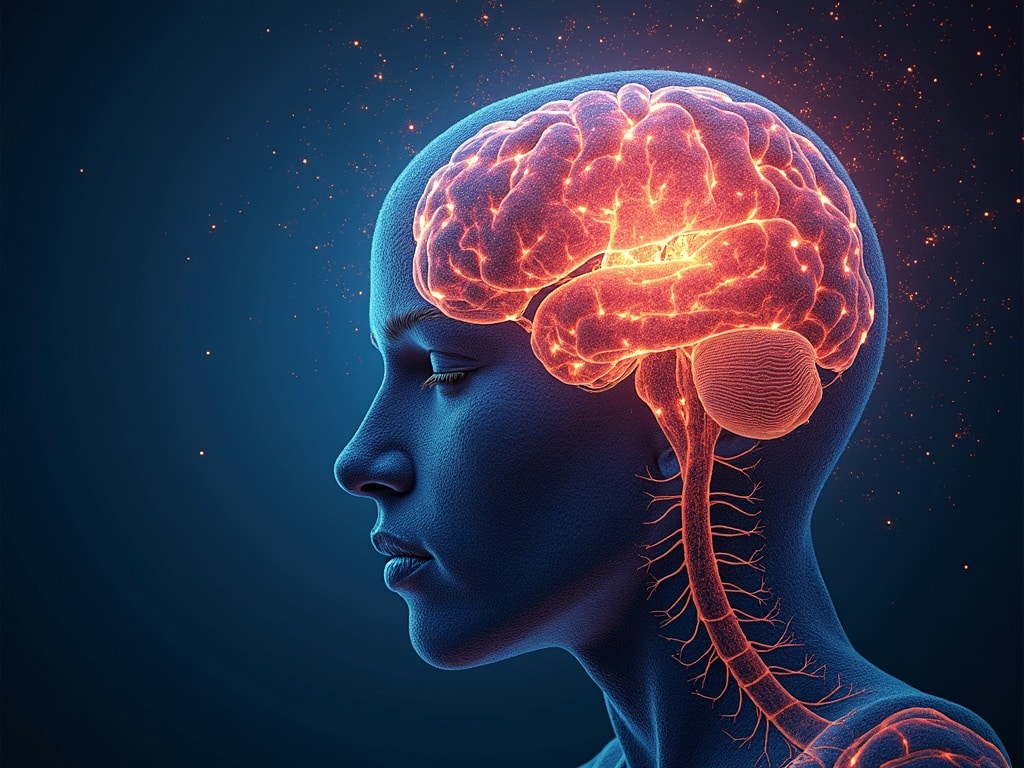
Techniques for Accessing and Reprogramming the Subconscious for Pain Relief
Fortunately, the subconscious mind is not a fixed entity. It's malleable and can be reprogrammed with the right techniques. By accessing and changing limiting beliefs, releasing trapped emotions, and creating new positive associations, you can significantly reduce your pain levels and improve your overall well-being. Here are some effective techniques:
**Hypnosis:Hypnosis involves inducing a relaxed state of focused attention, allowing direct access to the subconscious mind. A hypnotherapist can guide you to explore the root causes of your pain, release emotional blockages, and create new, pain-reducing suggestions.
**Meditation and Mindfulness:Regular meditation and mindfulness practices can help you become more aware of your thoughts, feelings, and bodily sensations, including pain. By observing your pain without judgment, you can begin to disassociate from it and reduce its emotional impact.
**Neuro-Linguistic Programming (NLP):NLP techniques can help you identify and change limiting beliefs and patterns of behavior that contribute to your pain. NLP uses specific language patterns and visualization techniques to reprogram the subconscious mind.
**Emotional Freedom Techniques (EFT) or Tapping:EFT involves tapping on specific acupressure points on the body while focusing on the pain or emotional issue. This technique is believed to release energy blockages and reduce the emotional intensity of the pain.
**Cognitive Behavioral Therapy (CBT):While CBT primarily focuses on conscious thoughts and behaviors, it can also indirectly influence the subconscious mind by changing negative thought patterns and coping mechanisms related to pain.
**Visualization:Creating vivid mental images of yourself free from pain can help reprogram the subconscious mind and promote healing. Visualize yourself engaging in activities you enjoy without experiencing pain.
**Journaling:Writing about your pain, emotions, and associated thoughts can help you gain insight into the subconscious patterns contributing to your pain. This can also be a way to release pent-up emotions.
**Affirmations:Regularly repeating positive statements about your body, your pain levels, and your ability to heal can help reprogram the subconscious mind and create new, positive beliefs.
**Seeking Professional Help:Consulting with a therapist or counselor specializing in pain management can provide valuable support and guidance in exploring the emotional and psychological factors contributing to your pain. They can help you develop coping strategies, process past traumas, and address any underlying mental health issues. Consider resources like [externalLink insert] to find qualified professionals.
Practical Tips for Integrating Subconscious Techniques into Your Pain Management Plan
**Start Small:Begin with one or two techniques that resonate with you and gradually incorporate others as you become more comfortable.
**Be Consistent:Regular practice is key to reprogramming the subconscious mind. Aim for at least 10-15 minutes of daily practice.
**Be Patient:It takes time to change deeply ingrained patterns in the subconscious mind. Don't get discouraged if you don't see immediate results.
**Be Open to Experimentation:Not every technique works for everyone. Be willing to try different approaches and find what works best for you.
**Combine Subconscious Techniques with Conventional Treatments:Integrating these techniques with other pain management approaches, such as medication, physical therapy, and lifestyle modifications, can provide a more holistic and effective approach to pain relief.
**Listen to Your Body:Pay attention to your body's signals and adjust your practice accordingly. If a technique causes increased pain or distress, stop and try something else.
**Create a Supportive Environment:Surround yourself with supportive people who understand and encourage your efforts to manage your pain.
The Power Within: Taking Control of Your Pain
The journey of understanding the subconscious mind and pain is a personal one. It requires self-compassion, patience, and a willingness to explore the hidden depths of your inner world. By embracing these techniques and integrating them into your daily life, you can unlock the power within you to transform your relationship with pain and reclaim your life. The subconscious mind is a powerful tool, and with awareness and intention, you can harness its potential to find lasting relief and a greater sense of well-being.