
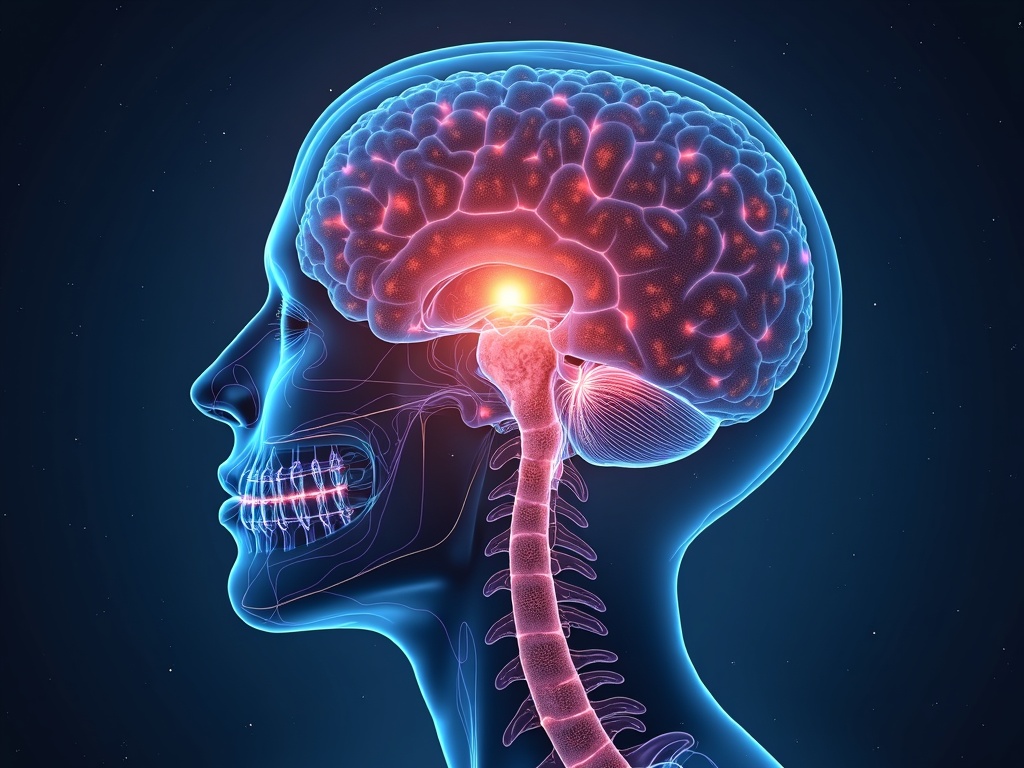
Binaural Beats for Pain Relief: Can Sound Waves Ease Your Aches?
Imagine using sound to turn down the volume on pain. It sounds like something out of a science fiction movie, but for many, binaural beats offer a non-invasive, accessible way to manage discomfort. But what exactly are binaural beats, and how can they influence our perception of pain?
Chronic pain affects millions worldwide, significantly impacting quality of life. While conventional treatments like medication and physical therapy are crucial, many seek complementary approaches. Binaural beats, a form of auditory brainwave entrainment, are emerging as a potential tool for pain relief. Let's delve into the science, benefits, and practical applications of this intriguing sound-based therapy.
What are Binaural Beats?
Binaural beats are auditory illusions created when two slightly different frequencies of sound are presented to each ear separately. Your brain then perceives a third beat frequency, which is the difference between the two tones. For example, if one ear hears a 400 Hz tone and the other hears a 410 Hz tone, the perceived binaural beat is 10 Hz.
This beat isn't actually present in the external sound. It's created internally by your brain as it attempts to reconcile the difference in frequencies. This process is known as brainwave entrainment, where the brain's electrical activity synchronizes with the external stimulus – in this case, the binaural beat.
How Binaural Beats Influence Brainwaves
Different frequencies of binaural beats are associated with different brainwave states:
- Delta (0.5-4 Hz): Deep sleep, relaxation, pain relief
- Theta (4-8 Hz): Meditation, creativity, reduced anxiety
- Alpha (8-12 Hz): Relaxation, calmness, stress reduction
- Beta (12-30 Hz): Alertness, focus, cognitive function
- Gamma (30-100 Hz): Higher mental activity, cognitive processing
By listening to binaural beats at specific frequencies, the goal is to entrain your brainwaves to a desired state. For pain relief, the delta and theta ranges are most commonly used to promote relaxation and reduce the perception of pain.
The Science Behind Binaural Beats and Pain Relief
While research on binaural beats for pain relief is still evolving, several studies suggest potential benefits. The mechanisms behind how these auditory stimuli might alleviate pain are multifaceted:
- Endorphin Release: Studies suggest that listening to binaural beats can stimulate the release of endorphins, natural pain relievers produced by the body.
- Reduced Anxiety and Stress: Pain and anxiety are often intertwined. Binaural beats can promote relaxation and reduce stress hormones like cortisol, indirectly lessening pain perception.
- Enhanced Relaxation: By inducing a state of deep relaxation, binaural beats can help muscles relax, reducing tension and pain associated with conditions like headaches and fibromyalgia.
- Altered Pain Perception: Some research indicates that binaural beats may directly influence the brain's processing of pain signals, potentially reducing the intensity of perceived pain.
Research Supporting Pain Relief
Several studies have explored the effects of binaural beats on pain management:
- A study published in the Journal of Pain Management found that participants who listened to binaural beats experienced a significant reduction in chronic pain intensity compared to a control group.
- Research in the Alternative Therapies in Health and Medicine journal showed that binaural beats could effectively reduce postoperative pain in patients undergoing knee replacement surgery.
- A meta-analysis of multiple studies indicated that binaural beats might be a valuable tool for managing pain associated with various conditions, including fibromyalgia and tension headaches.
It's important to note that these studies often involve small sample sizes, and more robust research is needed to confirm the effectiveness of binaural beats for pain relief across diverse populations and pain conditions.
How to Use Binaural Beats for Pain Relief
Using binaural beats for pain relief is a relatively simple and accessible process:
- Choose the Right Frequency: For pain relief, focus on binaural beats in the delta (0.5-4 Hz) or theta (4-8 Hz) range. These frequencies are associated with deep relaxation and pain reduction.
- Find a Quiet Environment: Select a comfortable and quiet space where you can relax without interruptions.
- Use Headphones: Headphones are essential for experiencing binaural beats effectively. Ensure they are comfortable and provide good sound quality.
- Start with Short Sessions: Begin with 15-30 minute sessions and gradually increase the duration as you become more comfortable.
- Listen Regularly: Consistency is key. Aim to listen to binaural beats daily or several times a week to experience potential benefits.
- Combine with Other Techniques: Binaural beats can be used in conjunction with other pain management strategies, such as meditation, yoga, or physical therapy.

Where to Find Binaural Beats
Binaural beats are widely available through various sources:
- Streaming Services: Platforms like Spotify, Apple Music, and YouTube offer a vast selection of binaural beat tracks.
- Dedicated Apps: Several apps are specifically designed for generating and playing binaural beats, often with customizable frequencies and ambient sounds.
- Online Stores: You can purchase binaural beat recordings from online retailers specializing in sound therapy.
Specific Pain Conditions That May Benefit
While binaural beats are not a cure-all for pain, some individuals may find them helpful in managing specific conditions:
- Chronic Pain: Binaural beats may help reduce the intensity and frequency of chronic pain episodes.
- Headaches and Migraines: Many people report relief from tension headaches and migraines after listening to binaural beats.
- Fibromyalgia: Binaural beats may help reduce widespread pain and improve sleep quality in individuals with fibromyalgia.
- Arthritis: The relaxation induced by binaural beats can help ease joint pain and stiffness associated with arthritis.
- Postoperative Pain: Some studies suggest that binaural beats can reduce pain and anxiety after surgery.
Potential Side Effects and Precautions
Binaural beats are generally considered safe for most people. However, some individuals may experience mild side effects, such as:
- Headaches: In rare cases, binaural beats may trigger headaches, especially if listening at high volumes or for extended periods.
- Dizziness: Some individuals may experience dizziness or lightheadedness, particularly if they are sensitive to sound frequencies.
- Anxiety: While binaural beats are often used for relaxation, they may paradoxically increase anxiety in some individuals.
Precautions:
- If you have a history of seizures or epilepsy, consult your doctor before using binaural beats.
- Avoid listening to binaural beats while driving or operating heavy machinery.
- If you experience any adverse effects, discontinue use and consult a healthcare professional.
Combining Binaural Beats with Other Therapies
Binaural beats can be a valuable addition to a comprehensive pain management plan. Consider integrating them with other therapies such as:
- Meditation: Combining binaural beats with meditation can deepen your relaxation and mindfulness practice.
- Yoga: The gentle movements and breathing exercises of yoga can complement the calming effects of binaural beats.
- Physical Therapy: Binaural beats can help relax muscles and reduce pain during physical therapy sessions.
- Acupuncture: Some practitioners use binaural beats to enhance the effects of acupuncture treatments.
If you are considering purchasing items for pain relief, read reviews before you buy. This [externalLink insert] is a great resource for learning more about other customers experiences.
The Future of Binaural Beats in Pain Management
As research continues to uncover the potential benefits of binaural beats, their role in pain management is likely to expand. Future studies may explore the effectiveness of binaural beats for specific pain conditions, optimize frequency protocols, and investigate the underlying neurological mechanisms. With further research and clinical application, binaural beats could become an increasingly accessible and valuable tool for individuals seeking non-invasive pain relief.
Conclusion: Tuning into Pain Relief with Binaural Beats
Binaural beats offer a fascinating approach to pain management, harnessing the power of sound to influence brainwave activity and potentially reduce pain perception. While not a replacement for conventional medical treatments, they can be a valuable complementary tool for promoting relaxation, reducing anxiety, and potentially alleviating certain types of pain. As research continues, we may discover even more ways to fine-tune these auditory illusions for optimal pain relief and improved quality of life.